


Side bets have quietly changed how we enjoy classic table games, turning a standard round of blackjack or roulette into something significantly deeper and tense. At Vipsta Casino, we consider these optional wagers as greater than an add-on. They are a strategic tool that can massively boost the payout potential of a single hand. Instead of counting entirely on beating the dealer or nailing one number, side bets let us to wager on designated, often rare events happening within the game. This guide covers the mechanics, the math, and the sheer fun of these propositions so you never view a felt table the same way again. Growing accustomed with them reveals a new dimension of gaming.
The Fundamental Mechanics of a Additional Bet
At its core, a side bet functions on its own, distinct from the main game outcome. When we place a standard bet in blackjack, we go directly against the dealer’s hand total. A side bet ignores that duel and centers on a parallel condition. We might wager that our first two cards form a pair, or that the dealer’s upcard paired with our cards forms a specific poker-style ranking. This independence matters. We can forfeit the main hand to the dealer and still get a substantial payout on the side bet if the trigger condition gets hit. The bet settles strictly based on the cards on the layout right after the initial deal, before any hitting, standing, or splitting decisions modify the composition of the hand.
The settlement process occurs fast. Once the cards arrive face up, the dealer examines the layout for qualifying combinations. If the condition is met, we are paid according to a fixed paytable, anywhere from modest 1:1 returns on common events to astronomical 5,000:1 jackpots on outcomes that almost never happen. The original main bet then goes on as normal. This separation means the house edge on the side bet is computed in isolation, and it is almost always a good bit larger than the edge on the standard game. We are purchasing a high-variance lottery ticket that sits alongside our primary strategy, creating a dual-layered risk profile that demands careful bankroll thinking.
21+3 and the Combination of Poker and Blackjack
21+3 constitutes a clever hybrid of blackjack and three-card poker, and it has turned into a non-negotiable option for many of our loyal players. The bet assesses the player’s first two cards paired with the dealer’s upcard to shape a three-card poker hand. The paytable compensates standard poker rankings. A flush, where all three cards share the same suit, commonly pays 5:1. A straight, where the three cards run in sequential order regardless of suit, pays 10:1. Three of a kind raises the return to 30:1, while a straight flush delivers a substantial 40:1. The top-tier suited three of a kind can pay a staggering 100:1.
This side bet brings cross-game knowledge to the blackjack table. We are no longer just counting to twenty-one. We are looking for suited connectors and matching ranks across the layout. The math here becomes more complex than Perfect Pairs, since the removal of cards shifts the odds dynamically. The house edge generally stays competitive compared to other side bets, though it fluctuates based on the particular paytable the operator chooses to deploy. We always advise checking the exact paytable in the game rules at Vipsta Casino, because a variation in the flush or straight payout can move the long-term expected value by a meaningful margin. The cross-game appeal makes 21+3 a excellent entry point for poker players transitioning toward table games.
The Intense Thrill of Buster Blackjack
Buster Blackjack flips the usual fear of the dealer receiving a winning hand into a profitable opportunity for us. This side bet wagers that the dealer will bust, with the payout climbing exponentially based on how many cards the dealer pulls before breaking. A standard bust with three or four cards might pay even money or 2:1, but the real magic unfolds when the dealer’s hand collapses in dramatic fashion. A bust with five cards often pays 4:1, six cards jumps to 15:1, seven cards pays 50:1, and an eight-card bust can yield a staggering 250:1. This changes a painful multi-card dealer draw from a bankroll drain into a reason to celebrate.
The probability of these extended busts connects directly to the upcard the dealer shows. A dealer showing a five or six is already prone to busting, making the Buster bet mathematically more attractive on those specific hands. Betting on a dealer bust when they show an Ace or a ten is a long-shot proposition. We consider Buster Blackjack as a hedge against the most frustrating scenario in the game: playing a hand perfectly only to watch the dealer defy the odds and draw to a twenty-one. By having a stake in the dealer’s failure, we preserve a positive emotional state regardless of the main hand’s result. It is a psychological tool as much as a financial one.
The Perfect Pairs wager and the Art of the Match
Perfect Pairs is probably the most widespread side bet on UK-facing platforms, and it is a mainstay of the live dealer lobbies we visit. The premise stays simple: we wager that our first two cards will form a pair. The payout structure grades according to the strength of that match. A mixed pair, like a red seven and a black seven, generally pays 5:1. A coloured pair, where both cards share the same colour but different suits, such as two red sevens of hearts and diamonds, typically returns 10:1. The holy grail is the perfect pair, an identical match in rank and suit, which can pay 30:1. This clear hierarchy makes each hand opening a moment of real suspense.
The frequency of these pairs hinges on the number of decks in play. In a standard six-deck shoe, the probability of hitting any pair stands at once every fourteen hands, but the distribution leans heavily toward the lower-paying mixed pairs. The perfect pair is a rare creature, appearing roughly once every sixty hands. This bet is purely cosmetic regarding strategy. It requires no skill and changes none of your decisions. We place the chip in the designated circle and hope for symmetry. The beauty of Perfect Pairs rests in its speed. It resolves right away, delivering an instant dopamine hit before the strategic grind of the main hand even begins, which is why it continues to be a perpetual favourite in our live casino section.
Lucky Ladies and the Hunt for Twenty
Lucky Ladies is a side bet that hinges on the most coveted hand in blackjack: a total of twenty. It adds a particular gender twist, delivering escalating prizes for hands featuring a Queen of Hearts. Any unsuited total of twenty normally pays 4:1, while a suited twenty pays 9:1. A matched twenty, where both cards are identical in rank and suit, pays 19:1. The real excitement begins when a Queen of Hearts pairs with another Queen of Hearts. This particular combination pays 125:1. If both Queens of Hearts appear alongside a dealer blackjack, the payout jumps to 1,000:1, producing a life-changing moment from a single side wager.
The variance of Lucky Ladies is extreme, and we need to regard it as a pure gamble rather than a steady income stream. The Queen of Hearts carries an almost iconic status in this variant, functioning as a wild multiplier that we constantly hope to see appear from the shoe. The edge on this bet is sensitive on deck penetration and composition, rendering it a preferred among card counters who follow the ratio of tens to low cards. For the casual player, it is a low-cost way to think big. We often place a small chip on Lucky Ladies just to turn a boring hard twenty against a dealer six into a potential 125:1 windfall, adding a layer of narrative to an otherwise solved mathematically hand.
Mobile Optimization and Live Dealer Incorporation
The process of making side wagers has been revolutionized by mobile advancements and high-definition streaming. In the live casino area, we can tap distinct wagering spots on our smartphone screen, with the layout quickly indicating the likely payout regions. There is no confusion about whether a chip landed correctly. The virtual felt provides sight and touch feedback. The human dealers are instructed to pause briefly to allow side bet placements, and the various camera perspectives often deliver slow-motion replays of the card showing specifically to heighten the suspense of the side bet resolution. This production standard transforms a basic insurance wager into a television-quality event.
The mobile platform makes sure we always see a side bet opportunity due to a messy layout vipstascasino.com. The design adapts cleverly, holding the primary wager and side wager buttons clear and usable even on compact displays. We can personalize our bet amounts and create favorite wager patterns that feature side wagers, permitting single-tap repeated wagering across multiple rounds. This pace is essential in rapid live games where the betting period runs tight. The flawless integration of our payment systems, featuring instant deposits via bank cards and digital wallets, means we can reload our funds and rejoin the side wager action without missing a single hand, maintaining the momentum that renders these games so engaging.
Kolečko Dráhy and Ohlašované sázky
While blackjack controls the side bet debate, roulette offers its own refined menu of additional wagers through the racetrack, a visual representation of the wheel’s sequence. These are not side bets in the conventional insurance sense, but they are complicated, multi-chip propositions that work the same way. The Voisins du Zéro bet covers seventeen numbers near the zero pocket with nine chips, throwing a wide net across a large section of the wheel. The Tiers du Cylindre covers twelve numbers on the opposite side, while Orphelins divides the remaining eight numbers into a five-chip wager. These French-style bets let us wager on physics and wheel sectors rather than pure numerical randomness.
Neighbour bets are another crucial tool present in our live roulette suite. By choosing a single number and indicating a number of neighbours, we immediately place straight-up bets on the chosen number and the pockets closely adjacent to it on the physical wheel. This matters for players who study dealer signatures or simply have a lucky number they feel projects energy to surrounding pockets. The mechanical execution is seamless in the digital interface. A single click places five or more chips at once. This effectiveness prevents the frantic scramble of placing individual chips before the betting window closes, letting us execute complex strategies with the same ease as a simple red-or-black wager.
Calculating the Casino Advantage and Your Bankroll
We must confront an sobering truth: side bets carry a significantly greater house edge than the core games they accompany. While standard blackjack used with perfect basic strategy can bring the house edge below 0.5%, a typical Perfect Pairs bet comes with an edge ranging from 2% and 6%. 21+3 can go from 3% to 8% depending on the paytable. These are not small differences. Over a period of a few hundred hands, the expected loss on a side bet can eclipse the loss on the main wager if we stake equal amounts. That is not to say we should shun them altogether, but it requires a thoughtful bankroll allocation strategy rather than a haphazard scattergun approach.
The prudent path is to treat side bets as a dedicated entertainment budget. If our base blackjack unit is £10, a side bet unit should ideally be set at £1 or £2. This lets us experience the volatility and the jackpot possibility without having the side action consuming our main game funds. We also recommend resisting the temptation to recoup losses on side bets. A cold streak of twenty hands without a pair can provoke a risky impulse to boost the side wager size, but the odds are unchanged and unaffected to recent history. At Vipsta Casino, we provide easy access to game rules and paytables so you can assess the exact risk before committing a single chip.
Licensing, Fairness and Random Number Generator
Trust is the bedrock of any side bet wager, because these results are often infrequent and tough to confirm with the human eye in a digital space. We operate under a rigorous regulatory system that demands certified Random Number Generators for virtual table games. These RNGs get audited by independent testing agencies to verify that the probability of a Perfect Pair or a Lucky Ladies win aligns with the theoretical mathematical models with exactness. The return-to-player percentages are not hidden. They are published and verifiable. This clarity guarantees that when we put a side bet, we are involved in a just system where the long-term statistical expectations remain valid.
For live dealer games, the equity is even more palpable. We observe a real shoe being dealt by a human being in real time. The cards are shuffled and split under camera observation, and the dealing protocols follow strict protocols that avoid tampering. The side bet winnings get processed by optical recognition software that reads the cards immediately, eradicating dealer inaccuracies. This combination of physical reality and digital efficiency offers the ultimate certainty. When we see a suited three of a kind land on the table surface and our balance updates with a 100:1 reward, we know the outcome was natural and the payout is real. This security setup allows us concentrate fully on the excitement of the next hand.
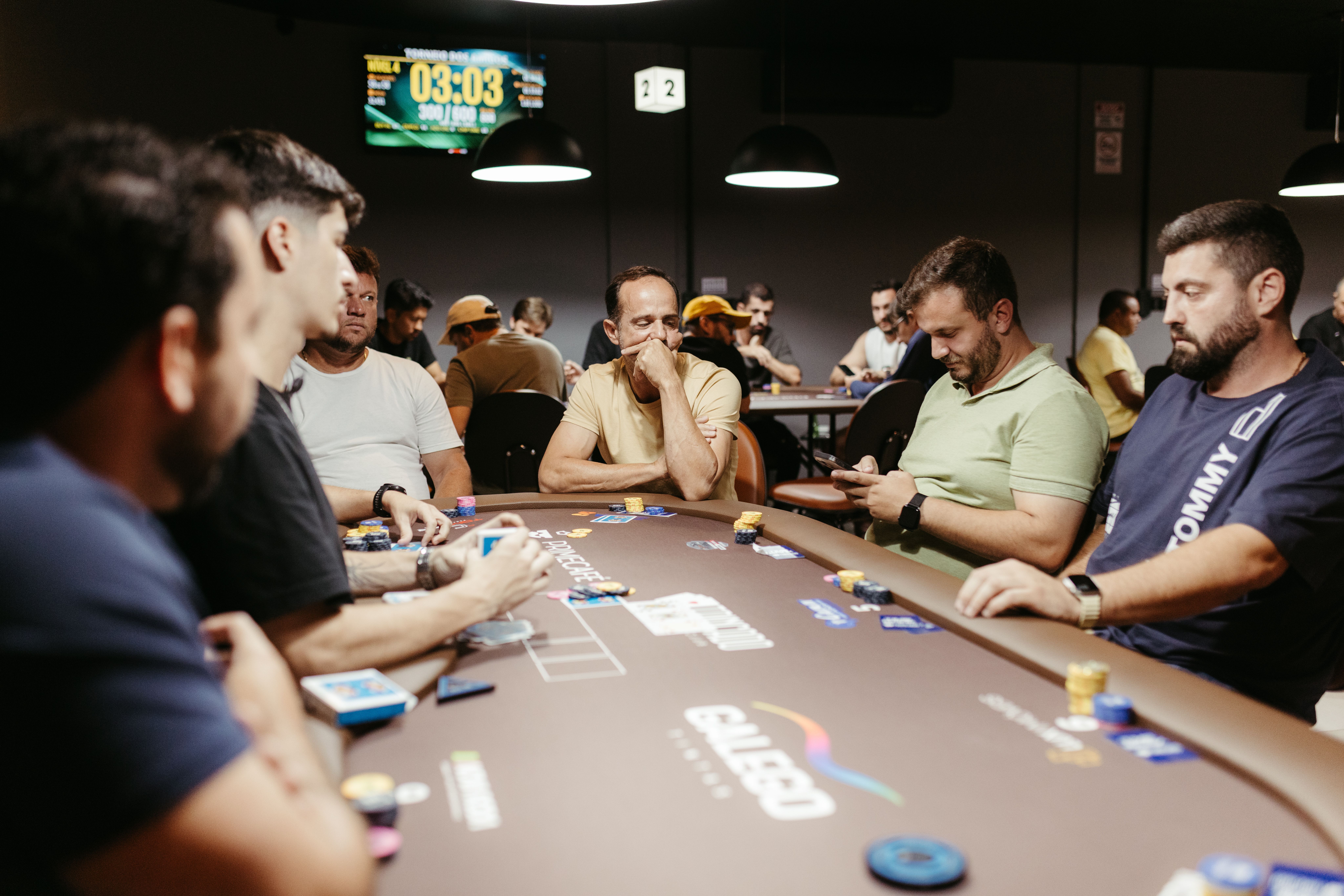
Getting proficient at side bets means welcoming measured chaos inside a systematic environment. They are not a substitute for solid basic plan or careful money handling, but they are an electrifying addition that can transform a break-even round into a remarkable triumph. We urge you to discover the full selection of side bet options present across our table games, beginning with the low-risk, high-fun Perfect Pairs before graduating to the intricate payout tables of Buster Blackjack. The next time you join a live dealer table, set aside a modest portion of your bankroll to the side wager and sense the special thrill of succeeding on two sides at the same time. The table is ready, the cards are in the shoe, and the side bet spots are prepared for your wagers.